Elevating Your Restaurant Brand with High-Impact Visuals
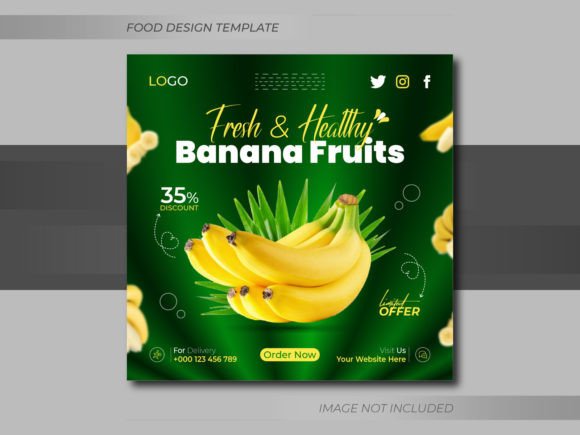
In the fast-paced world of food service, the difference between a scrolling customer and a paying diner often comes down to a single image. The visual landscape of social media is crowded, noisy, and fiercely competitive. For restaurant owners and marketing managers, the challenge isn't just about having great food; it's about communicating that quality instantly through a screen. This is where professional design assets become more than just decorative elements—they become essential tools for conversion. A well-crafted Banana Fresh Food Menu Social Media Post template serves as the cornerstone for a digital strategy that captures attention, stimulates appetite, and drives foot traffic.
When we talk about modern food promotion, we are discussing a blend of psychology, aesthetics, and technical precision. The average user spends less than two seconds deciding whether to stop on a post or keep scrolling. To win that battle, your visuals must be immediate and impactful. Templates designed specifically for fresh food menus leverage color theory and layout principles to do exactly that. They utilize vibrant, eye-catching colors that mimic the freshness of ingredients, creating an instant sensory connection before the customer even reads the caption.
The Power of Vector Precision in Digital Marketing
One of the most critical aspects of professional graphic design is scalability, and this is where vector formats shine. Unlike standard raster images that can become pixelated when resized, vector files maintain crisp edges and perfect clarity regardless of dimensions. When you utilize a High-quality vector design for your promotional materials, you ensure that your brand looks polished whether it is displayed on a tiny smartphone screen or a massive digital billboard.
Most premium templates, including those tailored for fresh food concepts, are delivered in Adobe Illustrator CC CS6 Vector Eps formats. This compatibility is vital for businesses that may have varying levels of design software. Whether your team is using the latest Creative Cloud subscription or sticking with the reliable CS6 version, these files ensure seamless integration into your existing workflow. The ability to edit every curve, line, and shape means you are not stuck with a static image. You can adapt the design to fit seasonal promotions, daily specials, or limited-time offers without losing the core identity of your brand.
Furthermore, the inclusion of 300 PPI resolution options ensures that if you decide to take your digital success offline, the transition is flawless. Printing flyers, table tents, or window decals requires high-resolution assets to avoid blurry text or jagged graphics. A template that bridges the gap between digital social media posts and physical print materials offers incredible value, streamlining your production process and maintaining consistency across all customer touchpoints.
Customization: Making the Design Yours
The term "template" sometimes carries a misconception of rigidity, suggesting that every business using it will look identical. However, a truly effective design asset is built for flexibility. An Easy to Edit Customize structure allows you to infuse your unique voice into the framework. You aren't just filling in blanks; you are adapting a professional foundation to tell your specific story.
Consider the scenario of a juice bar launching a new summer smoothie line. With a fully layered vector file, the marketing team can swap out the placeholder fruits for high-resolution photos of their actual product, adjust the color palette to match the new flavor profile, and update the typography to reflect a fun, summery vibe. Because the design uses Free Font licenses, there are no hidden costs or legal hurdles to clear before publishing. This accessibility empowers small business owners to act quickly, launching campaigns in hours rather than days.
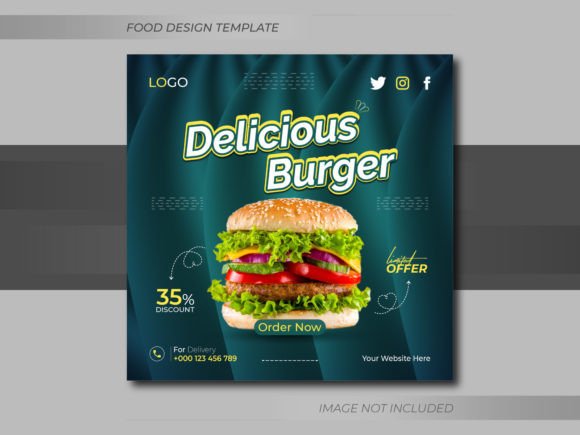
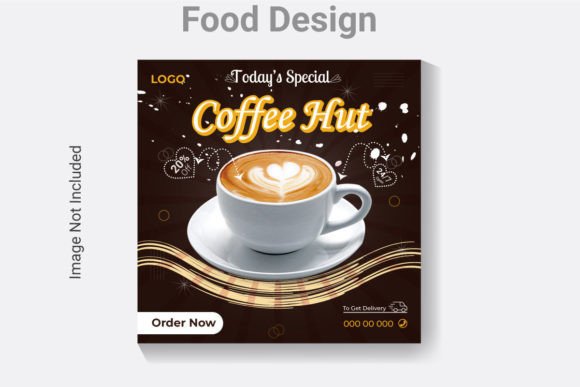
It is important to note that while the design files are comprehensive, Image Not Included in the package. This is actually a strategic advantage. It forces the creator to use original photography of their own food, which is crucial for authenticity. Stock photos can feel generic and detached, whereas real images of your dishes build trust and manage customer expectations. By providing the structural design while leaving the imagery to you, the template ensures that the final output is genuinely representative of your kitchen's output.
Optimizing for the Instagram Ecosystem
Instagram has evolved from a simple photo-sharing app into a primary discovery engine for restaurants. Users actively search for "food near me" or browse location tags to find their next meal. In this environment, the aesthetic of your Banana fresh food menu social media promotion instagram post design dictates your discoverability. Algorithms favor content that generates engagement, and engaging content is almost always visually superior.
A dedicated web banner template complements your social efforts by ensuring your profile looks cohesive. When a potential customer clicks on your bio link or visits your website, the visual continuity reinforces brand recognition. The use of RGB color mode in these digital templates guarantees that the colors you see on your monitor are exactly what your audience sees on their devices. There is nothing worse than designing a vibrant green salad promo only to have it appear dull and muddy on mobile screens due to incorrect color profiling.
Moreover, the structure of these designs often accounts for the specific UI elements of social platforms. Safe zones for text ensure that your pricing or call-to-action buttons aren't covered by interface icons like the "like" heart or the comment bubble. This level of foresight in the design phase saves time during the editing phase and prevents costly mistakes in publication.
Practical Workflows for Busy Restaurateurs
Time is the scarcest resource in the restaurant industry. Between managing staff, overseeing inventory, and ensuring food quality, sitting down to design graphics from scratch is rarely feasible. This is why adopting a pre-designed system is a practical necessity rather than a luxury. By downloading a ZIP format package containing all necessary files, you create a reusable asset library.
- Download and Unzip: Immediately access the EPS and JPG files contained within the secure archive.
- Open in Illustrator: Load the vector file into Adobe Illustrator to access individual layers.
- Swap Assets: Replace the placeholder images with your own high-quality food photography.
- Update Text: Modify the menu items, prices, and promotional details using the included free fonts.
- Export: Save a high-res JPG for Instagram and a print-ready PDF for in-store signage.
This workflow transforms a task that could take hours into a fifteen-minute operation. It allows for agility in marketing; if a supplier delivers an unexpected surplus of avocados, you can have a promotional post live within the hour. This responsiveness is key to reducing waste and maximizing revenue.
Color Psychology and Appetite Appeal
The specification of Beautiful eye-catching color in these templates is not arbitrary. Color psychology plays a massive role in how we perceive food. Warm tones like reds, oranges, and yellows are known to stimulate appetite and create a sense of urgency. Greens convey freshness and health, essential for salads and organic concepts. A professionally designed template balances these hues to create a harmonious composition that feels inviting rather than chaotic.
When you analyze successful food brands, you notice a consistent use of color to evoke emotion. A Banana Fresh Food Menu Social Media Post leverages these principles to make the viewer feel hungry immediately. The contrast between the background and the food imagery is calculated to make the dish pop, drawing the eye directly to the star of the show. This intentional design guides the viewer's gaze through the hierarchy of information, ensuring they see the delicious food first, then the price, and finally the call to action.
In conclusion, investing in high-quality, editable design templates is an investment in your brand's perceived value. It signals to your customers that you care about details, from the plating of the food to the pixels on the screen. By utilizing versatile tools that offer high-resolution vectors, easy customization, and platform-specific optimization, you position your restaurant for success in a digital-first world. The right design doesn't just display your menu; it sells the experience of dining with you.