Integrating the Hunt Eat Sleep Repeat Mindset into Your Digital Crafting Workflow
The phrase Hunt Eat Sleep Repeat often resonates as a lifestyle mantra for outdoor enthusiasts and hunters, symbolizing a cycle of pursuit, sustenance, rest, and renewal. However, in the context of digital design and modern crafting, this concept takes on a pragmatic meaning related to the iterative nature of creative production. For professionals, small business owners, and hobbyists utilizing cutting machines like Cricut and Silhouette, the workflow mirrors this cycle: you hunt for the perfect design assets, you "eat" or consume those resources to create a product, you rest while the machine executes the cut, and then you repeat the process for the next order or project. Understanding how to streamline this cycle is crucial for maintaining efficiency and quality in a competitive market.
At the heart of this streamlined workflow is the availability of versatile, high-quality digital assets. When you acquire a comprehensive design package, such as the Single AF SVG cutting files, you are essentially securing the "hunt" phase of your operation. Instead of spending hours sketching vectors or troubleshooting incompatible file types, you have immediate access to a ready-to-use asset. This specific design suite is engineered for interoperability, ensuring that whether you are a seasoned graphic designer or a weekend crafter, the transition from idea to physical product is seamless. The inclusion of multiple file formats eliminates the friction that often stalls creative momentum.
The Strategic Value of Multi-Format Compatibility
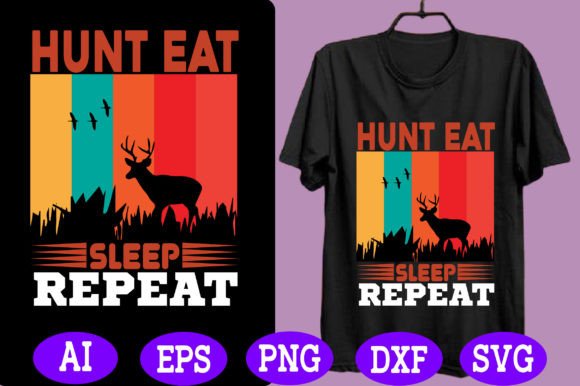
In a professional setting, compatibility is not just a convenience; it is a requirement for operational stability. The digital download associated with this design includes an AI file, an SVG file, a PNG with a transparent background at 300 DPI, an EPS file, and a DXF file. Each of these formats serves a distinct purpose within the broader crafting ecosystem.
The SVG (Scalable Vector Graphics) file is the workhorse for users of Cricut Design Space and Sure Cuts A Lot. Because vectors are resolution-independent, they allow you to scale the "Single AF" design from a small sticker to a large vinyl decal without any loss of quality. This is critical for businesses that need to adapt a single design for various product lines, such as tumblers, t-shirts, and wall art. Meanwhile, the DXF (Drawing Exchange Format) is essential for users operating older versions of Silhouette software or those who prefer the precision of basic editor tools. By providing both, the asset ensures that no user is locked out due to software limitations.
For those involved in sublimation or print-on-demand services, the included PNG file is invaluable. With a transparent background and a resolution of 300 DPI, this raster image is print-ready. It bypasses the need for manual vectorization or background removal, steps that often introduce errors or degrade image quality. Similarly, the AI and EPS files cater to Adobe Illustrator users who may need to modify the anchor points or integrate the design into a larger composite layout before sending it to a cutter. This level of foresight in file preparation demonstrates a deep understanding of the diverse tools used by creators today.
Optimizing the Production Cycle
Integrating these files into your routine transforms the "Eat Sleep Repeat" cycle into a highly efficient production line. The "Hunt" phase is effectively shortened because the asset is pre-vetted for quality and compatibility. Once the file is imported into your preferred software—be it Make The Cut, Silhouette Basic, or Designer Edition—the focus shifts to execution.
Consider the workflow of a small business owner preparing a batch of custom apparel. After importing the SVG into Cricut Design Space, the user can immediately assign cut settings based on the material being used, whether it is heat transfer vinyl (HTV), adhesive vinyl, or cardstock. The clean paths inherent in professional SVG files reduce the likelihood of weeding errors, where excess material is difficult to remove. This directly impacts the "Sleep" or processing phase; when the machine runs smoothly without stopping for jams or misreads, the operator can step away to manage other aspects of the business, such as marketing or customer service, knowing the production is underway.
Furthermore, the consistency provided by standardized digital downloads aids in quality control. When every iteration of a design starts from the same precise vector source, the final output remains uniform across hundreds of units. This consistency is vital for brand reputation. If a freelancer delivers a batch of decals where the lettering varies slightly due to poor source files, it reflects poorly on their professionalism. Using a robust file set like the one described ensures that the "Repeat" phase yields predictable, high-quality results every time.
Practical Implementation Tips for Creators
To fully leverage these assets within your workflow, organization is key. Upon downloading the package, which includes the AI, SVG, PNG, EPS, and DXF files, immediately sort them into a dedicated project folder. Labeling conventions matter; consider naming files with version numbers or date stamps if you plan to modify them later. This practice prevents the confusion of opening an outdated file mid-project, a common pitfall that disrupts the creative flow.
- Software Selection: Match the file type to your software capabilities. Use SVG for Cricut Design Space for the smoothest experience. If you are using Silhouette Studio Basic Edition, rely on the DXF file to avoid upgrade costs while maintaining functionality.
- Material Testing: Before committing to a large production run, perform a test cut. Even with perfect files, blade depth and pressure settings vary by material batch. A small test square ensures the "Single AF" design cuts cleanly without tearing the substrate.
- Layer Management: If the design contains multiple layers, ungroup them upon import to verify that all elements are correctly aligned. This step is crucial for multi-color vinyl projects where registration marks must be precise.
- Backup Protocols: Digital assets are your inventory. Ensure your download is backed up to a cloud service or external drive. Losing a master file means restarting the "Hunt," wasting valuable time.
For educators and workshop leaders, these files serve as excellent teaching tools. They demonstrate the importance of file formats and the relationship between digital design and physical fabrication. Students can learn how a single design intent manifests differently depending on whether it is rendered as a vector for cutting or a raster for printing. This hands-on approach reinforces technical skills while allowing for creative expression.
Long-Term Usability and Scalability
The true power of a well-constructed digital asset lies in its longevity. A design purchased today should remain usable five years from now, regardless of software updates or changes in hardware. The inclusion of industry-standard formats like EPS and AI ensures future-proofing. As vector standards evolve, these foundational formats remain compatible, protecting your investment.
Moreover, the versatility of the "Single AF" design allows for scalability in business operations. A hobbyist might start by making one shirt for a friend. As demand grows, that same file can drive a commercial heat press operation producing dozens of units daily. The workflow does not need to change fundamentally; only the volume increases. This scalability supports the "Repeat" aspect of the cycle, allowing creators to grow their output without reinventing their process.
In conclusion, adopting a mindset similar to Hunt Eat Sleep Repeat in your crafting business means focusing on the efficiency of your resource acquisition and the reliability of your execution tools. By utilizing comprehensive digital downloads that offer extensive format support, you minimize downtime and maximize creative output. Whether you are a marketer creating promotional materials, a publisher designing book covers, or an entrepreneur building a custom merchandise brand, the integration of high-quality, compatible SVG and cutting files is the foundation of a sustainable and productive workflow. The goal is not just to make one item, but to establish a rhythm of creation that is consistent, reliable, and endlessly repeatable.