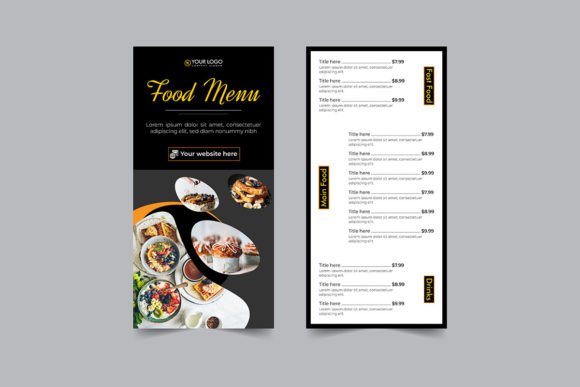
Elevate Your Brand with a Modern Food Flyer Template
In the fast-paced world of food service and hospitality, first impressions are often made before a customer even takes a bite. Whether you are launching a new bistro, promoting a weekend brunch special, or simply updating your seasonal offerings, the visual presentation of your menu is paramount. A Food Flyer for Restaurant Menu Card serves as more than just a list of dishes; it is a critical marketing tool that communicates your brand's identity, quality, and attention to detail. For professionals ranging from restaurant owners to freelance graphic designers, having access to a high-quality, adaptable design asset can significantly streamline workflow and enhance professional output.
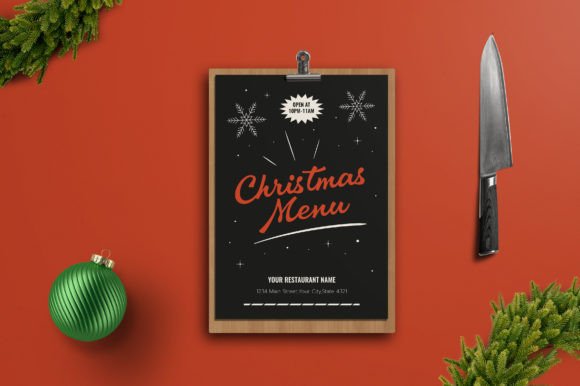
The specific design in question stands out due to its modern, clean aesthetic. In an era where consumers are bombarded with visual noise, a minimalist approach often cuts through the clutter most effectively. This template utilizes ample white space, clear typography, and a structured layout to ensure that the food remains the hero of the story. It avoids the common pitfall of overcrowding information, which can overwhelm potential diners and dilute the impact of signature dishes. Instead, it guides the eye naturally across the page, highlighting key items and pricing with subtle yet effective hierarchy.
Technical Precision Meets Creative Flexibility
What truly sets this asset apart for industry professionals is its robust technical foundation. The file is provided in EPS format, compatible with Adobe Illustrator CC or later versions. This vector-based format is the gold standard for print design because it ensures that your graphics remain crisp and sharp regardless of scaling. Whether you are printing a small table tent or a large wall poster, the integrity of the lines and text is preserved. There is no pixelation, no blurriness—just professional-grade clarity.
Furthermore, the template is engineered with print production in mind. It comes set at 300 DPI (dots per inch), which is the industry requirement for high-resolution offset and digital printing. Anything less can result in grainy images that undermine the perceived quality of the food. The color mode is strictly CMYK, ensuring that the colors you see on your screen translate accurately to the printed page, avoiding the disappointment of muted or shifted hues that often occur when converting from RGB. Additionally, the inclusion of a 0.5-inch bleed area is a crucial detail. This extra margin ensures that when the paper is trimmed to its final size of 5.5 by 11 inches, there are no unsightly white edges, resulting in a polished, professional finish.
Customization for Every Brand Identity
One of the strongest arguments for using this template is its ease of customization. While the base design is sleek and modern, it is not rigid. The creator has utilized free fonts, meaning you do not need to purchase expensive licenses or worry about font compatibility issues when sharing files with clients or printers. Every element, from the color palette to the font sizing, is fully editable.
This flexibility allows marketers and business owners to align the flyer perfectly with their existing brand guidelines. If your restaurant features a rustic, farm-to-table concept, you might swap the default cool tones for earthy greens and browns. Conversely, a high-end sushi bar might opt for a stark black-and-white theme with gold accents. The ability to tweak these elements without deconstructing the entire layout saves hours of design time, allowing you to focus on strategy and content rather than wrestling with software tools.
Versatile Applications Beyond the Menu
While labeled as a "Food Flyer for Restaurant Menu Card," the utility of this design extends far beyond listing appetizers and entrees. Its clean structure makes it an ideal candidate for a variety of communication needs within the culinary and broader business sectors. Consider the following practical applications:
- Event Promotions: Use the layout to advertise wine tasting nights, chef's table experiences, or holiday specials. The clear sections allow you to feature event details, times, and reservation contacts prominently.
- Catering Services: Caterers can adapt the template to showcase package deals, buffet options, and corporate lunch menus, providing clients with a tidy overview of services.
- Farmers Market Booths: Local producers can utilize the design to list available produce, pricing per pound, and farm stories, creating a professional presence at local markets.
- Cooking Classes: Culinary schools or independent chefs can outline class schedules, curriculum highlights, and instructor bios in an engaging, easy-to-read format.
- Internal Communications: Even within a professional kitchen, this template can be repurposed for staff shift schedules, daily specials boards, or safety protocol reminders, maintaining a cohesive look throughout the establishment.
Enhancing User Experience and Engagement
The psychology of menu design plays a significant role in sales. A well-organized menu reduces cognitive load for the customer, making the decision-making process enjoyable rather than stressful. When customers can easily find what they are looking for and understand the offerings without squinting or deciphering messy layouts, their overall dining experience improves. This positive association often translates to higher ticket averages and increased customer loyalty.
Moreover, in a digital-first world, physical collateral still holds immense value. A tangible, well-printed flyer or menu card conveys a sense of permanence and quality that a social media post often lacks. It invites the customer to slow down and engage with the brand. By using a template that balances modern aesthetics with functional clarity, you signal to your audience that you care about the details—a trait that customers instinctively associate with food quality and service standards.
Practical Considerations for Implementation
When selecting and implementing a design like this, there are a few best practices to keep in mind to maximize its effectiveness. First, always proofread your content meticulously before sending it to print. Typos on a menu can be particularly damaging to a restaurant's credibility. Second, consider the paper stock. Since the design is clean and modern, pairing it with a high-quality, textured paper can elevate the tactile experience. A heavy matte finish often works well with minimalist designs, preventing glare and adding a touch of sophistication.
It is also wise to think about distribution. Will this be a hand-out flyer, a table drop, or a window display? The 5.5 x 11 inch size is versatile, fitting easily into standard racks or frames, but understanding your primary distribution channel will help you decide on the right call-to-action placement. Ensure your contact information, website URL, or QR codes are positioned where they are most likely to be seen and scanned.
Ultimately, investing in a professional-grade template like this Food Flyer for Restaurant Menu Card is an investment in your brand's perception. It bridges the gap between creative vision and practical execution, offering a solution that is both beautiful and functional. Whether you are a seasoned graphic designer looking to speed up your workflow or a restaurant owner aiming to refresh your marketing materials, this tool provides the foundation needed to create compelling visual communications that resonate with your audience and drive real-world results.