Planning Your Holiday Feast with a Professional Christmas Food Menu
The holiday season often arrives with a mix of excitement and overwhelming logistics. Between wrapping gifts, coordinating family travel, and decorating the home, the task of organizing the actual feast can easily slip into last-minute panic. This is where having a structured Christmas food menu becomes more than just a list of dishes; it transforms into a strategic tool for event management. Whether you are a home cook hosting a intimate gathering or a small business owner running a seasonal pop-up restaurant, the way you present and plan your food matters immensely. Utilizing professional design resources, such as editable flyer templates, bridges the gap between a chaotic kitchen and a polished dining experience.
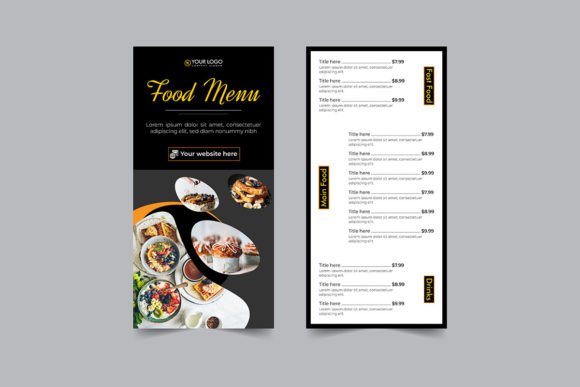
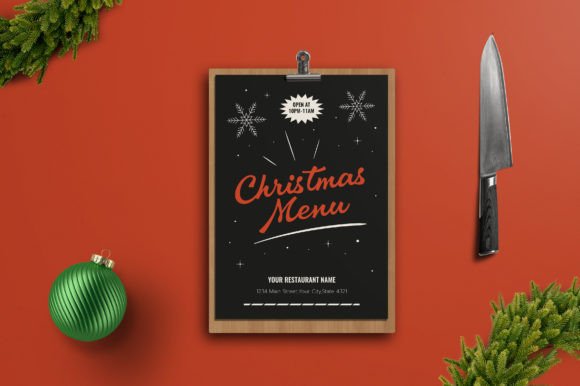
At its core, a Christmas food menu serves two distinct purposes: internal organization and external communication. Internally, it acts as a roadmap for shopping, prep timing, and dietary accommodation. Externally, it sets the tone for the event before the first bite is taken. When you leverage high-quality design assets—specifically those offering full editability in formats like AI, CC, PSD, and vector files—you gain the flexibility to tailor this communication exactly to your brand or personal style. A template sized at 8.27×11.69 inches (standard A4) provides ample space to detail appetizers, mains, sides, and desserts without feeling cramped, ensuring readability for guests of all ages.
Real-World Applications for Diverse Users
The utility of a well-designed menu extends far beyond the traditional family dinner table. Different users leverage these tools in unique ways to solve specific problems during the busy festive period.
Small Business Owners and Restaurateurs
For cafe owners and independent restaurateurs, the Christmas period is a critical revenue window. However, printing new menus from scratch every year is costly and time-consuming. By downloading a print-ready template with CMYK 300 DPI specifications, a business owner can instantly update their offerings. Imagine a bakery that wants to highlight their limited-edition gingerbread lattes and yule logs. Instead of hiring a graphic designer, they can open the provided PSD or AI file, swap out the text, adjust the prices, and send it directly to their local printer. The result is a professional-looking promotional piece that matches their existing branding, ready to be displayed on counters or handed out to customers.
Event Planners and Caterers
Freelance caterers often juggle multiple events in December. A standardized yet customizable menu template allows them to maintain consistency across different clients while adapting to specific themes. If one client requests a rustic woodland theme and another prefers a modern minimalist aesthetic, the ability to fully edit fonts and layout elements means the same base template can serve both needs. The inclusion of a help file ensures that even those with intermediate design skills can navigate the layers and smart objects efficiently, saving valuable billable hours.
Home Hosts and Hobbyists
Even for non-professionals, the presentation of food elevates the dining experience. A host who prints out a stylish menu for their dinner party adds a touch of sophistication that guests appreciate. It helps manage expectations, especially when dealing with complex multi-course meals or potential allergens. Using a template with free fonts eliminates the frustration of missing typefaces, allowing the host to focus on cooking rather than troubleshooting software errors. The vector nature of these files ensures that whether printed on standard paper or heavy cardstock, the text remains crisp and legible.
Why Technical Specifications Matter in Practice
When selecting a design resource, the technical details often dictate the success of the final product. Understanding why specific features like 300 DPI and CMYK color mode are essential can prevent common pitfalls.
- Print Readiness: Digital screens use RGB lighting, which makes colors appear vibrant. However, physical printing uses CMYK ink. A template designed specifically in CMYK ensures that the deep reds of cranberry sauce and the greens of holly look accurate on paper, avoiding dull or muddy results that often happen when converting files at the last minute.
- Resolution Quality: At 300 DPI (dots per inch), images and text remain sharp upon close inspection. This is crucial for food menus where guests might be holding the card inches from their face. Lower resolution files can appear pixelated, detracting from the perceived quality of the food itself.
- Vector Flexibility: Vector files allow for infinite scaling without loss of quality. If you decide to print a large poster version of your menu for a buffet station instead of individual handouts, a vector-based template ensures the graphics and borders remain perfect.
- Full Editability: Life changes quickly during the holidays. A guest might cancel, requiring a portion adjustment, or a supplier might run out of a key ingredient. Having access to the source files (AI and PSD) means you can make these changes minutes before printing, rather than being stuck with a static PDF.
Strategic Considerations Before You Start
Before downloading or customizing your Christmas food menu, consider the context in which it will be used. The content should align with the medium. For instance, if you are creating a menu for a buffet-style office party, brevity is key. Guests are standing and moving; they need to scan options quickly. In this scenario, bold headings and clear bullet points work best. Conversely, for a seated formal dinner, you have the luxury of including descriptive language that evokes the flavors and preparation methods, enhancing the anticipation of the meal.
Another vital factor is accessibility. While decorative fonts are tempting for the holiday spirit, readability must remain the priority. Ensure that the free fonts included in your template are legible for elderly relatives or those with visual impairments. High contrast between the text and the background is non-negotiable for a functional menu. Additionally, always double-check dietary information. Clearly marking vegetarian, vegan, gluten-free, or nut-containing dishes is not just courteous; it is a safety necessity that protects your guests and reduces anxiety for those with restrictions.
Maximizing the Value of Design Assets
Investing time in a high-quality template pays dividends in reduced stress and enhanced professionalism. The availability of multiple file formats (AI, CC, PSD) caters to different software preferences, ensuring that whether you are an Adobe veteran or a newer user, you have the tools necessary to execute your vision. The inclusion of a comprehensive help file further democratizes design, guiding users through layer management and export settings.
Ultimately, a Christmas food menu is about connection. It connects the host's effort to the guest's experience. It connects the visual appeal of the holiday season with the tangible enjoyment of a shared meal. By utilizing versatile, print-ready, and fully editable templates, you remove the friction from the creative process. This allows you to focus on what truly matters: the warmth of the gathering, the joy of the season, and the delicious food that brings everyone together. Whether for commercial promotion or personal celebration, a well-executed menu turns a simple list of ingredients into an integral part of the holiday memory.